

I can watch virtually any movie ever made without getting off my sofa and I can play millions of songs from my pocket. I can order Thai food, toothpaste, a cashmere sweater and a replacement part for a 1979 Cuisinart while waiting for the subway.
This is all supposed to be wonderful. Mostly, I find it exhausting.
Books are the worst. There are more books available to me than I could read in a thousand lifetimes. I have a New York Public Library card, a Kindle, a bunch of bookstore wish lists and stacks of unread books in my apartment that have definitely become accusatory.
Which may explain why a 100-year-old idea suddenly seems so appealing.
Book of the Month was founded in 1926, when books could be hard to find if you didn’t live near a bookstore. The club offered a solution: every month, editors and experts would choose a handful of books worth reading. Customers would pick one and they’d send it to you.
A century later, the problem has flipped. Everything is available. And Book of the Month still works because its real product isn’t books. It’s fewer choices. The company’s current model simply says: Here are some good books. We’ve looked at the thousands of possibilities so you don’t have to. Pick one.
Good marketing is often good curation.
Of course, that only works if you trust the people doing the choosing. A curator has to earn your confidence by showing, over time, that they understand what’s good, what’s interesting and, ideally, what you might like.
Most organizations do the opposite. They want customers to know everything they do. Every product deserves a mention, and every department has something important to say. By the time everyone has been accommodated, the customer is staring at the corporate equivalent of a 14-page diner menu: it’s accurate and almost impossible to order from.
Some brands understand this. The Ordinary sells a bewildering assortment of skincare formulations, but its online Regimen Builder helps shoppers figure out which ones they actually need. Warby Parker offers a style quiz and virtual try-on tools to make choosing eyeglasses a little less like trying on every frame in the store. Both brands have plenty to sell. They’re just willing to help customers narrow the field before asking them to buy.

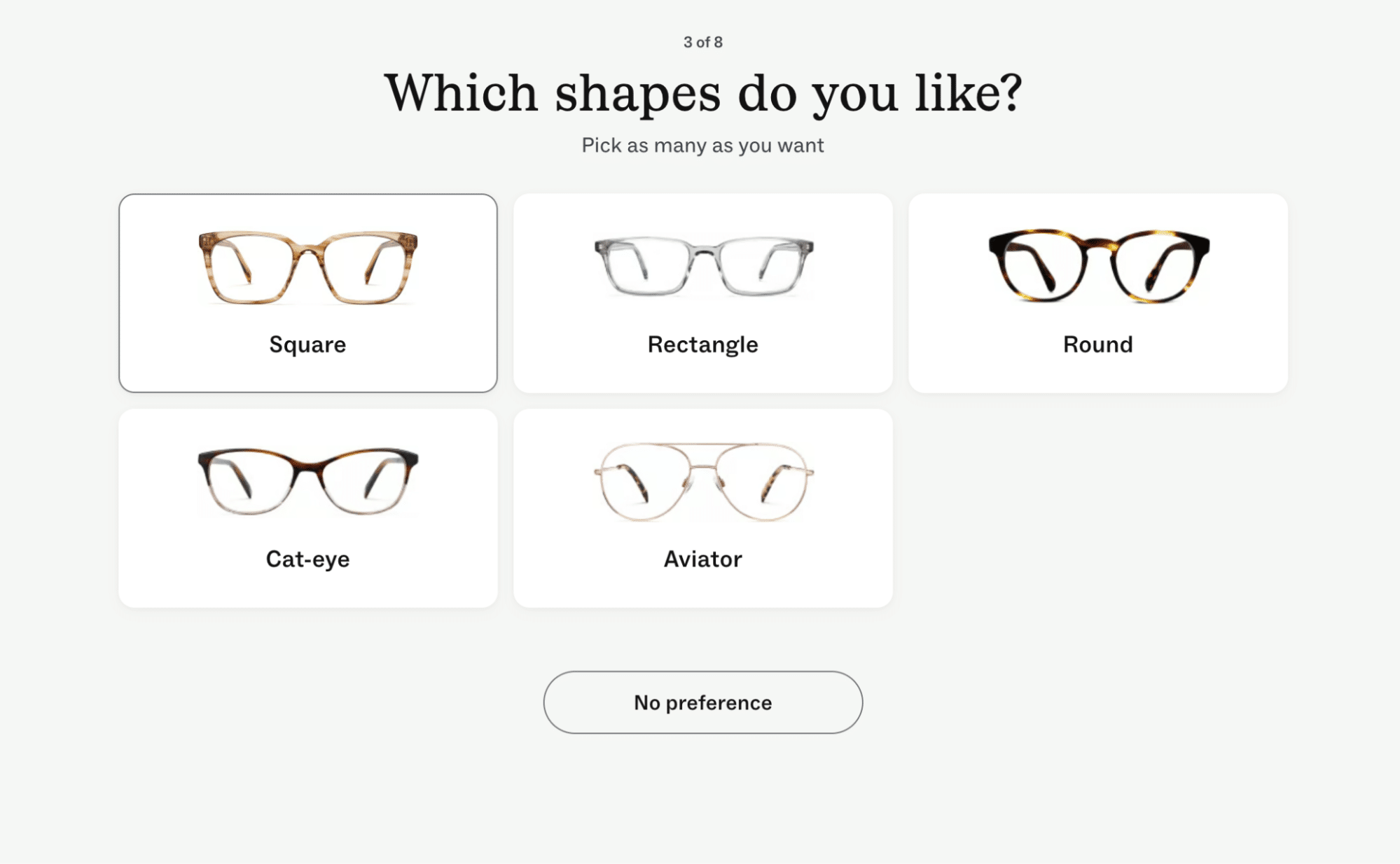
Good marketing requires making choices about what you’ll promote, and earning enough trust that people believe those choices are worth their attention. What does this organization do unusually well, and which offerings solve the problems its customers actually care about? What should someone remember after spending 30 seconds on the website?
The answers don’t require hiding everything else. Book of the Month’s six picks sit alongside everything else published that month. The company just does the hard part first and says: Start here.
When we have endless options and algorithms ready to sell us 47 more things based on the one thing we did choose, that seems like a generous offer. Sometimes all we really want is for someone who knows the options to narrow the field. And tell us, you can’t go wrong here.