

For years, design had been moving toward the same destination. Minimal logos, muted color palettes, rounded sans serif typefaces, endless beige and carefully curated brand systems have become the gold standard. Every brand seems to have arrived at the same conclusion that clean is sophisticated, lack of personality is premium and consistency is everything. This has worked for a while, but as more companies have adopted the same visual language, they have become increasingly difficult to distinguish from one another. Devolving from distinct to distinctly absent of personality.
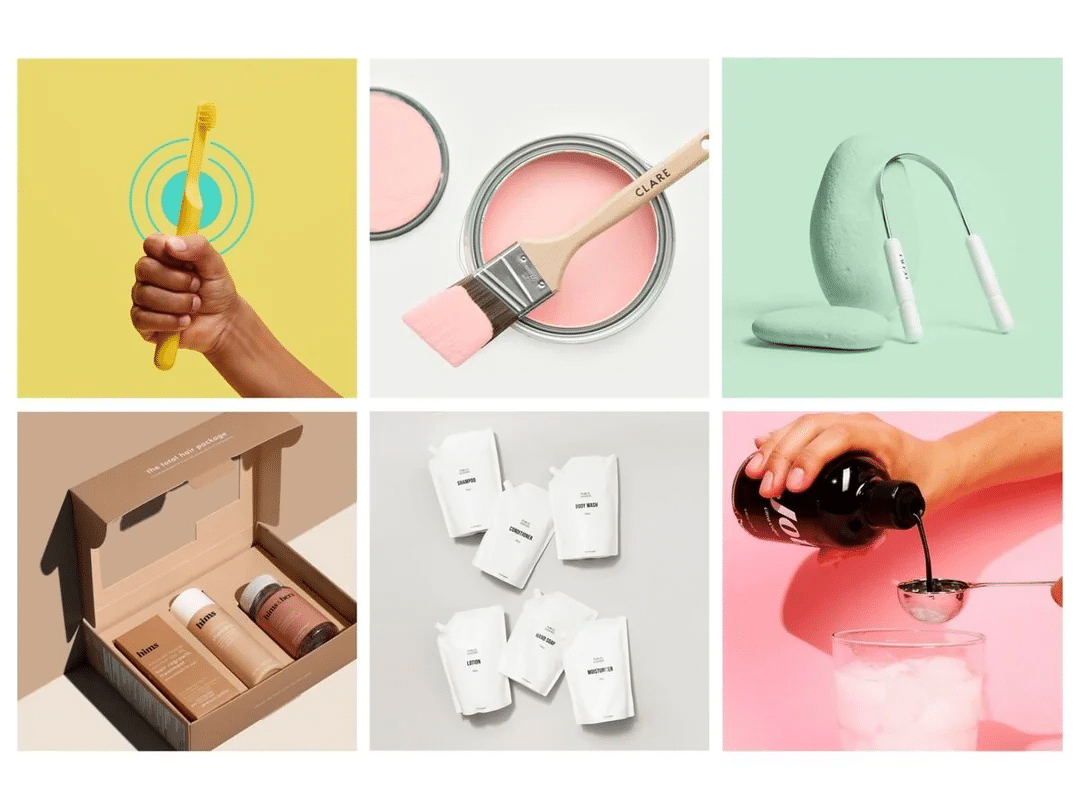
AI has made that end even easier to achieve. With a few prompts, anyone can create polished illustrations, beautiful layouts and convincing photography in seconds. The technology is impressive, but it has also exposed an unexpected truth. When perfection becomes infinitely scalable, it begins to lose its value. Instead of helping brands stand out, flawless design often causes them to blend in.
The Era of Bland and Unoriginal Content
This shift is helping fuel one of the most interesting creative movements happening today: the return of naive design. Rather than pursuing perfection, designers are embracing work that feels more personal, expressive and unmistakably human. What once may have been dismissed as amateurish or unfinished is now being celebrated because it offers something AI struggles to replicate: authenticity.
It’s clear that people are drawn to brands and businesses where people, not robots, are the ones moving the needle. As generative AI floods the internet with polished, technically perfect content, authenticity has become a differentiator. To set the scene, data shows that more than 15 billion AI-generated images have been created since 2022, about 71% of organizations now use AI to create content and experts expect this content to grow dramatically over the next few years. Meanwhile, consumer skepticism is rising, with many people feeling disconnected from AI-generated content.
In a world where “perfect” content can be generated in seconds, imperfections and visible signs of human creativity have become signals of originality rather than flaws.
The trend is also a response to what many designers have dubbed “blanding.” Over the last decade, countless brands have abandoned distinctive and big personalities in favor of simplified logos and minimalist interfaces. Corporate identities have become cleaner, but at what cost?. Take a look at almost any industry today and the overall impression is singular. It’s as if everyone is working from the same design template.
None of those decisions were inherently wrong. Simplicity improves usability, scalable design systems make organizations more efficient and minimalism helps brands adapt across digital platforms. However, somewhere along the way, optimization began replacing personality. The goal shifted from creating something memorable to creating something universally acceptable. In trying not to offend anyone, many brands also stopped surprising anyone.
AI Didn’t Create the Problem, It Actually Exposed It
Artificial intelligence has only amplified that challenge. AI models learn from enormous collections of existing creative work, which means they naturally reproduce the visual patterns that already dominate culture. They excel at creating competent, trendy design because that’s what makes up the body of reference material. What bots cannot do is purely create. They are exceptional replicators and remixers, but the output will always be the next most logical choice paired with the next most logical choice. Human designers understand conventions, but also have the wherewithal to challenge and break them.
The spark of “what if” is a distinctly human trait. And it’s why human ingenuity, inspiration and insight will remain a pinnacle AI can only pursue. AI can only look backward, while human creatives push us forward.
Why Naive Design Feels So Refreshing
Despite its name, naive design isn’t about producing poor work or ignoring design principles. Instead, it intentionally embraces qualities that designers have traditionally tried to eliminate. Uneven lines, handwritten typography, imperfect illustrations, unexpected layouts, visible textures, playful compositions and unconventional proportions all communicate something incredibly powerful: a human made this.
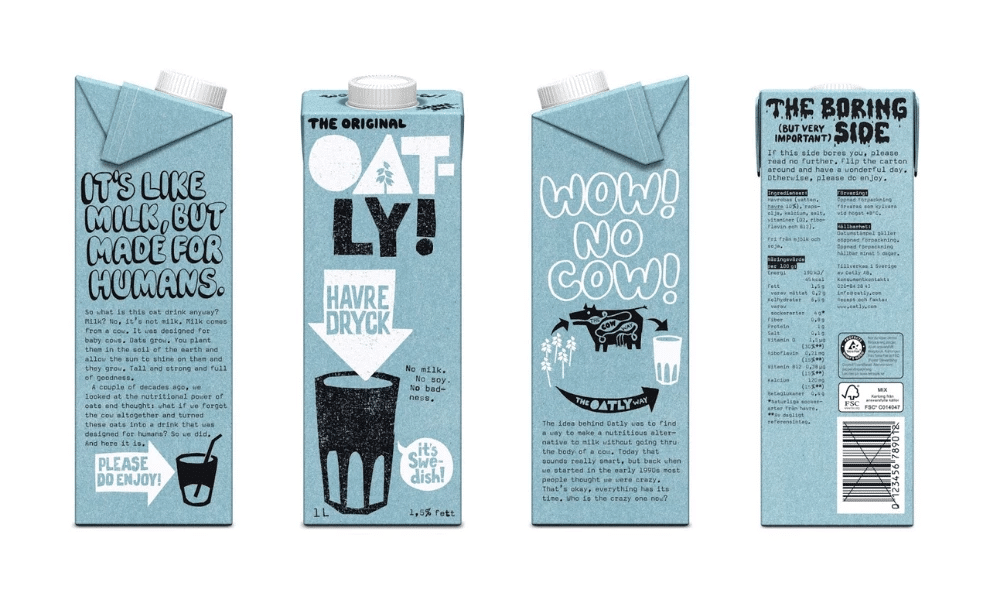
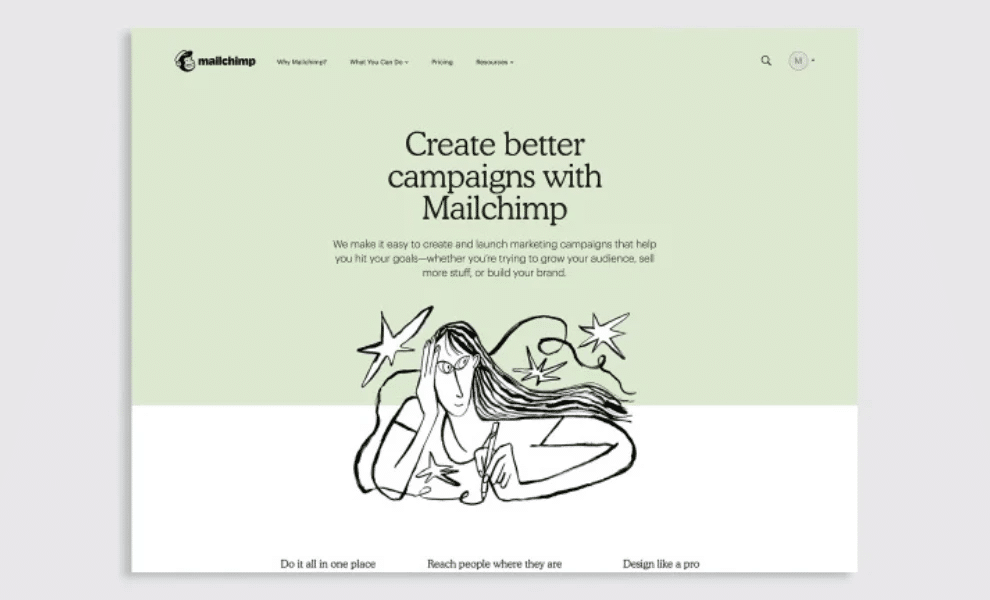
Across branding, packaging, editorial design, fashion and digital experiences, creatives are rediscovering that imperfections create emotional connection and most importantly, they help brands stand out. A slightly crooked illustration feels more personal than a perfectly rendered graphic. Handwritten notes invite intimacy in a way perfectly kerned typography rarely can. Even awkwardness can become memorable because it feels authentic rather than manufactured. These elements aren’t valuable because they’re technically imperfect; they’re valuable because they reveal the presence of a person behind the work.
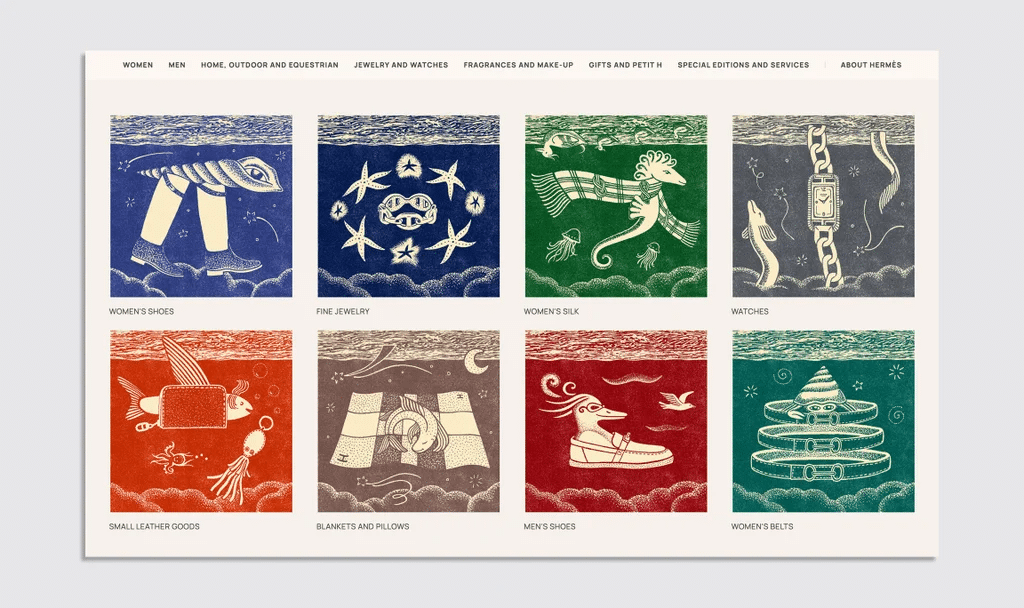
Luxury brands are starting to recognize this shift as well. Hermès recently redesigned its website and chose not to lean into AI-generated perfectionism. Instead, the brand commissioned French illustrator Linda Merad to create hand-drawn work filled with visible paper texture, uneven linework and playful imperfections, making viewers immediately aware that a real artist created them. In an era where polished visuals are the new norm, human craftsmanship has become a luxury. That is the paradox of the AI era. The more that flawless and perfect content has become the norm, the more visible human design has become.
People Don’t Want Perfect, They Want a Real Person Behind It
Consumers have become increasingly fluent in recognizing manufactured authenticity. Years of carefully curated social media feeds and polished influencer content gave all of us keen eyes for overly branded pay-for-play content. It should come as no surprise that AI-generated visuals have made art detectives of us all. While polished content isn’t inherently untrustworthy, it often creates emotional distance. Conversely, human effort, personality and imperfection invite connection and trust.
Perhaps the biggest shift happening isn’t aesthetic at all. It’s cultural. For years, great design was largely measured by how polished it appeared. Increasingly, it’s being measured by how distinctive it feels. Those aren’t the same thing.
As AI makes technically sound design faster, cheaper and more accessible, technical execution alone becomes less of a competitive advantage. What becomes truly scarce is perspective, taste, curiosity and a point of view.
The Next Wave of Great Brands Will Feel More Human
This doesn’t mean every company should suddenly replace its branding with doodles and hand lettering. Naive design isn’t a style guide, and it certainly isn’t an excuse for careless work. Instead, it represents a broader shift in creative priorities. The brands that will resonate most over the next decade won’t necessarily look handmade, but they will feel unmistakably human. They’ll embrace character over conformity, originality over optimization and personality over perfection.
Ironically, AI may end up doing something few people expected. Rather than replacing human creativity, it may remind us why we value it in the first place. When anyone can generate something that looks good, the work that truly stands out will be the work that feels real.