Consumer interest in wellness has reached a new level of intensity. People are investing more time, attention and money into their physical, mental and emotional health than at any previous point in modern history. The wellness brands best positioned to capture that demand are the ones with a clear, strategic approach to reaching their audience.
Technology and social media have transformed the ways wellness businesses connect with consumers, opening up channels for more targeted, personal and impactful marketing than traditional approaches ever could.
Whether you are launching a new corporate wellness program or growing a nutrition brand, understanding which marketing strategies will deliver the most value for both your business and your audience is the starting point for everything. With an expanding range of platforms and tactics available, clarity on where to focus is what separates effective campaigns from ones that simply check a box.
10 Wellness Marketing Campaigns That Made an Impact
The wellness economy reached a record $6.8 trillion in 2024 and is projected to grow to $9.8 trillion by 2029. That scale of growth represents a significant opportunity for wellness brands, and the ones most likely to capture it are those with marketing campaigns that speak authentically to what their audiences actually need.
Here are 10 examples of brands that got it right, along with the key takeaways you can apply to your next wellness marketing campaign.
Jansport – #LightenTheLoad
The Context: Roughly a third of adults under 30 rate their mental health as fair or poor, a figure significantly higher than any older age group
The Message: Jansport created #LightenTheLoad, a forum that connects young people with tools and resources that support mental health.
The Result: A campaign with the right tone and authenticity, incorporating Instagram Live sessions where Gen Z could have open conversations with mental health experts on a platform that meets them where they are.
Maybelline New York – Brave Together
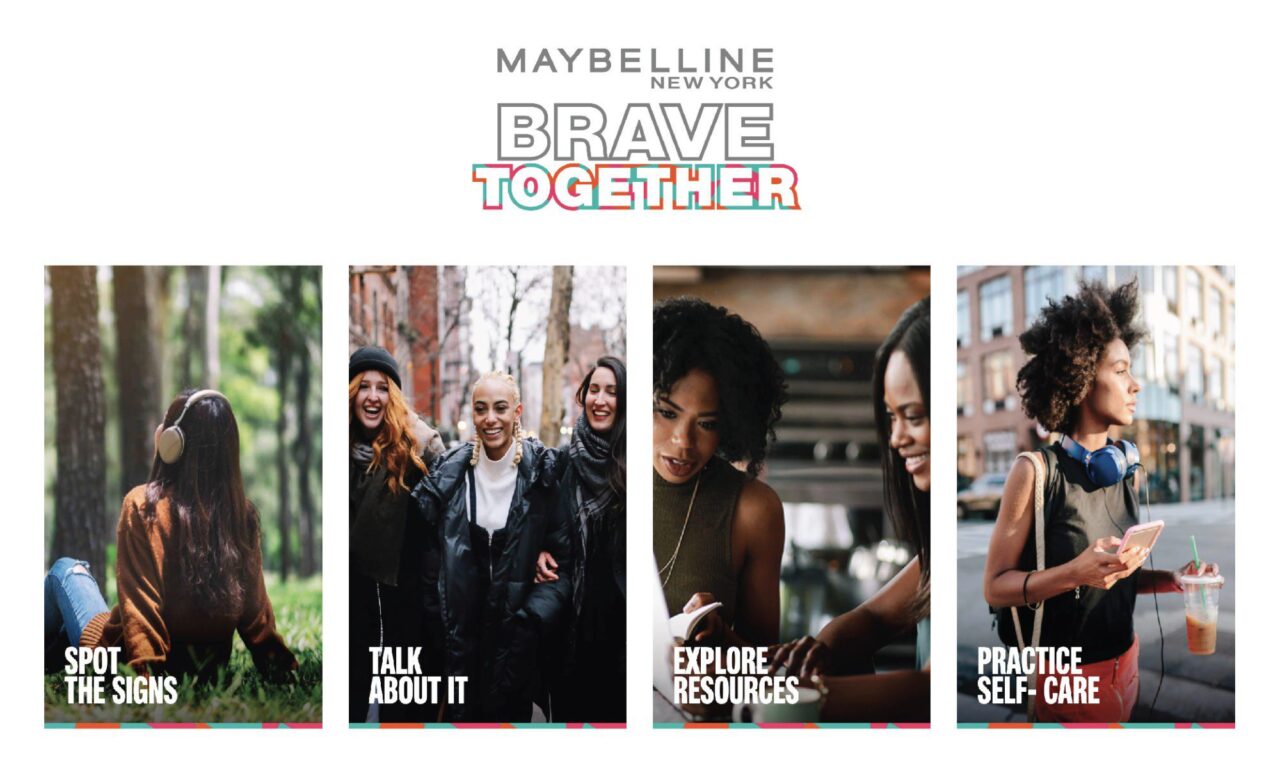
The Context: Maybelline New York made a public commitment to destigmatize anxiety and depression and provide meaningful support to those living with these conditions.
The Message: The campaign provided tools, resources and access to mental health experts to help people recognize the signs of anxiety and depression and practice healthy self-care.
The Result: A growing community built around authentic stories and real conversations for those living with anxiety or depression, creating a space where openness around mental health is both encouraged and normalized.
Samsung – The Backup Memory
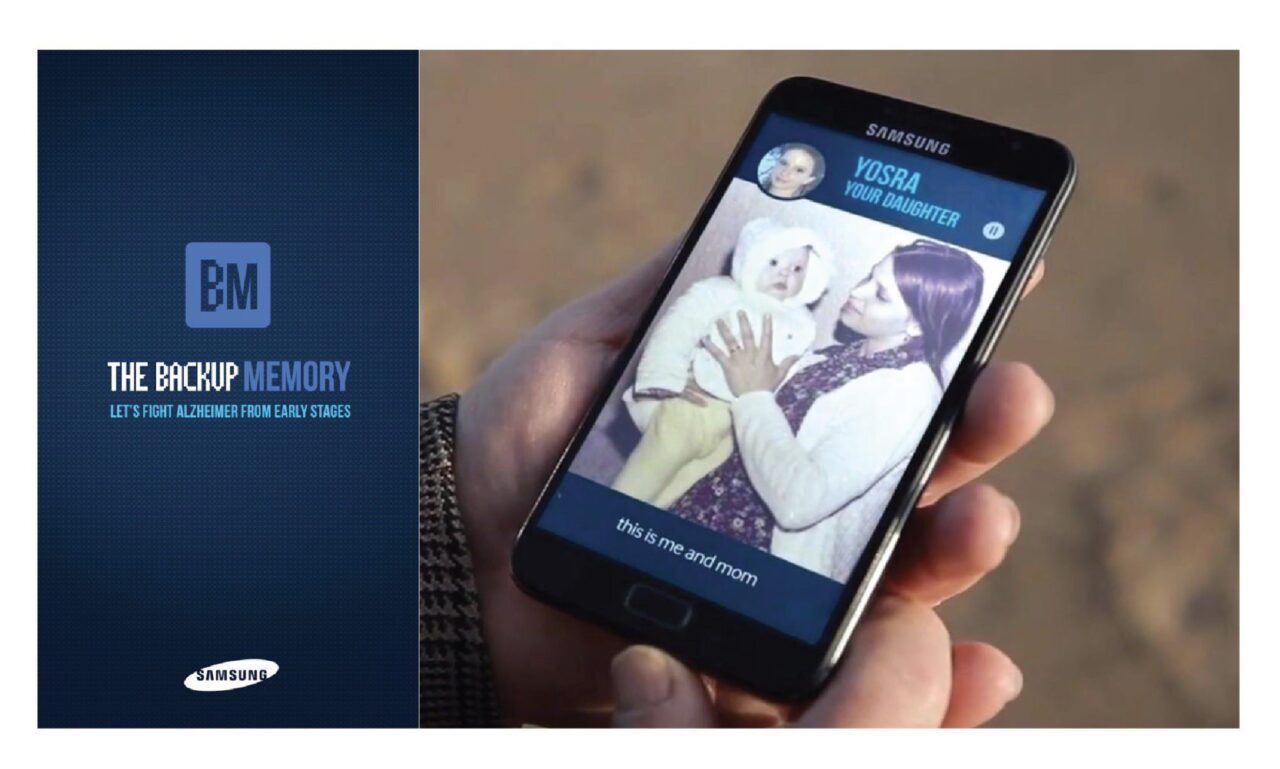
The Context: Alzheimer’s presents significant challenges for patients, caregivers and family members alike, including the painful difficulty of helping a loved one recognize familiar faces.
The Message: Samsung set out to give people living with Alzheimer’s immediate access to the information they need to recognize a visitor, whether that is a name, a photo or a shared memory.
The Result: Samsung developed The Backup Memory app, which identifies a nearby person also running the app and surfaces their name, photos and other personal content to help the individual remember who they are.
Accenture – Thriving Mind
The Context: Organizations are under growing pressure to address employee mental health in ways that are both scalable and grounded in credible science rather than surface-level wellness initiatives.
The Message: Thriving Mind combined Stanford research with practical micro-steps and multi-format digital content to give employees a self-directed path toward better stress management and mental well-being.
The Result: A scalable digital learning experience that helps employees understand why they respond to stress the way they do and build more sustainable habits over time, demonstrating how enterprise wellness investments can deliver measurable individual impact.
Sun Bum: Know Your Spots PSA
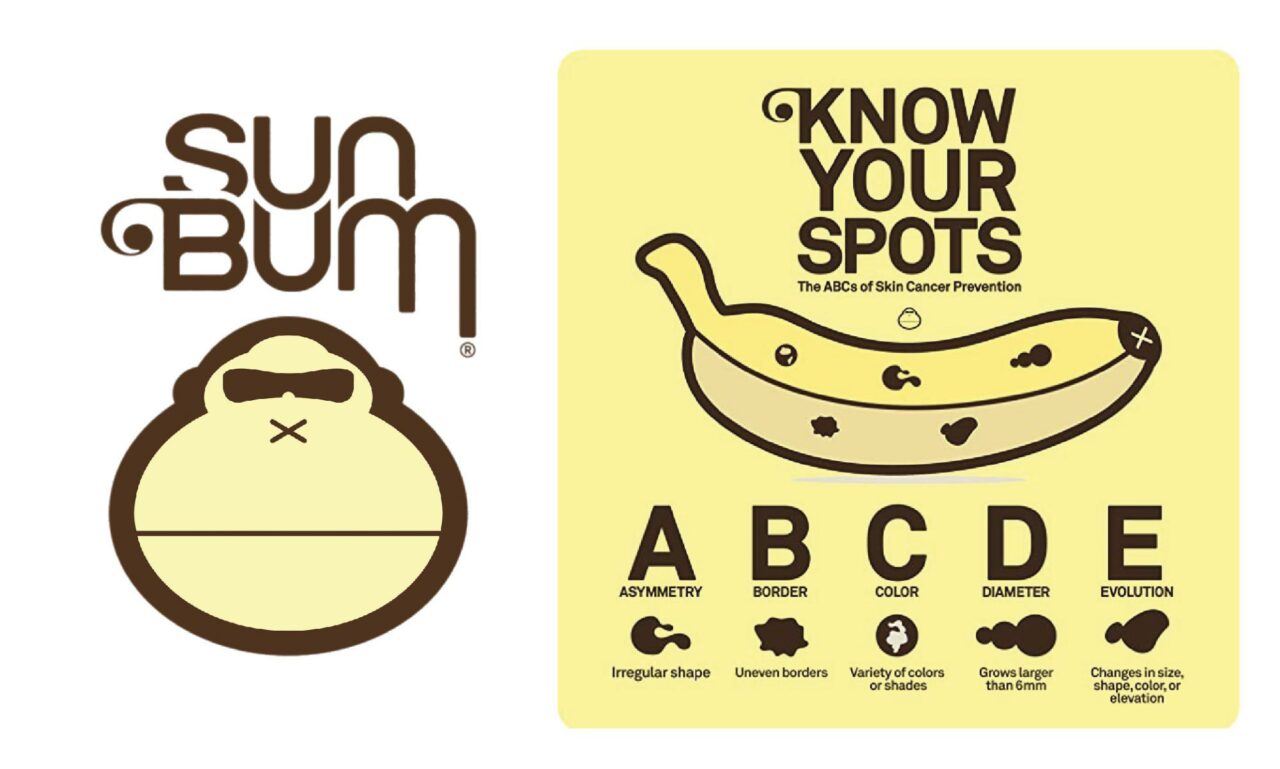
The Context: Sun Bum wanted to promote sun health and skin cancer prevention in a way that was memorable and positive, deliberately avoiding the fear-based messaging and alarming imagery that typically characterizes skin health campaigns.
The Message: The Know Your Spots campaign celebrated everyone’s favorite spots, including taco joints and beach days, while drawing a lighthearted contrast with the spots nobody wants: sun damage.
The Result: A memorable short-form video series built natively for Instagram and TikTok that used feel-good storytelling to encourage annual skin checks, delivering the message in 15 seconds or less.
Oura Ring – Know Why You Feel The Way You Feel
The Context: Oura Ring wanted to connect with health-conscious consumers by encouraging them to listen to their bodies and make small, informed changes to their daily routines for better overall health.
The Message: The Oura Ring is a precision health wearable designed to measure the body’s core fundamentals and give wearers a clearer picture of why they feel the way they feel on any given day.
The Result: A short, humorous jingle commercial that used warmth and wit to show how Oura Ring helps wearers recognize signs of anxiety, burnout and changes in heart rate variability, making complex health data feel accessible and actionable.
Frida Mom – PSA: Post Partum Service Announcement
The Context: Frida Mom set out to bring honest, humor-driven attention to the sensitive and often unglamorous realities of postpartum life that mainstream marketing tends to ignore.
The Message: From Labor and Delivery Kits to C-Section Recovery products, Frida Mom positioned its postpartum essentials as the practical, no-nonsense solutions new mothers actually need.
The Result: Working with Ryan Reynolds’ creative agency, Maximum Effort, Frida Mom produced a campaign that used parody and sharp humor to showcase the brand’s personality, creating a commercial that resonated widely for its authenticity and willingness to go where other brands would not.
Orgain – Top of Funnel Education Content
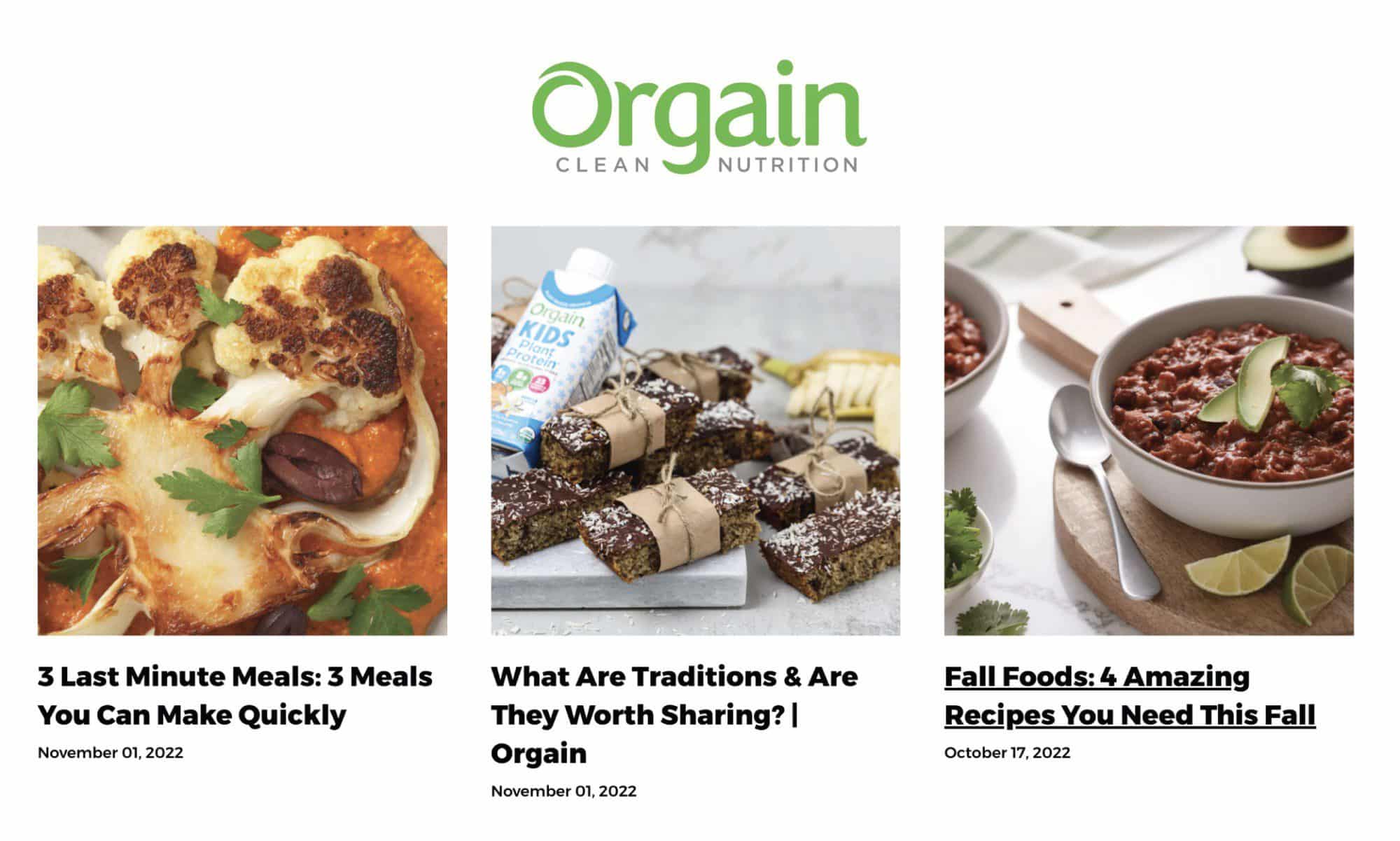
The Context: A significant portion of Orgain’s target market lacks access to reliable food and nutrition education, creating a meaningful opportunity for content marketing to deliver genuine value before the first purchase is ever made.
The Message: Orgain used blog content to share meal prep ideas and healthy snack inspiration, meeting prospective customers at the earliest stage of their journey with information that was useful rather than promotional.
The Result: The educational content helped customers feel informed and confident in their purchase decisions, building the kind of early trust that translates into long-term brand loyalty.
Twill (formerly Virgin Pulse) – Changing Lives for Good
The Context: Workplace wellness has become a meaningful differentiator in talent acquisition and retention. Research shows that 85% of employees expect support from their employers in achieving work-life balance, making wellness programs a key factor in both hiring decisions and long-term employee satisfaction.
The Message: Employees who engage with workplace wellness initiatives typically see better outcomes across performance, attendance and overall wellbeing. Wellness investments have been shown to return a 6:1 ROI while reducing missed days of work.
The Result: Twill, a digital-first health and well-being platform, provides organizations with a unified hub that brings together all aspects of employee health in one place, making it easier for both employers and employees to invest in sustained well-being.
Atria Senior Living (formerly Holiday Retirement) – I Belong At Holiday
The Context: Choosing a senior living community is one of the most emotionally complex decisions a family will make, requiring marketing that is as empathetic and informative as it is compelling.
The Message: Guiding seniors and their families through the decision-making process with content designed to educate, comfort and inspire, ultimately leading them to the conclusion that this is where they belong.
The Result: CSG partnered with Holiday Retirement, now Atria Senior Living, to develop custom content tailored to the anticipated behaviors and emotional hurdles seniors and their families face, creating a campaign that resonated deeply with its core audience at every stage of the decision-making journey.
Why Is Marketing Essential for Your Wellness Business
Marketing is not a line item to cut when conditions get difficult. For wellness businesses, it is the engine that drives awareness, trust and growth, and pulling back at the wrong moment can set a brand back considerably further than the short-term savings suggest.
Wellness audiences are more personally engaged than consumers in most other categories, making authenticity the single most important element of any effective campaign. Communications Strategy Group (CSG®) brings behavioral insight and wellness marketing expertise to help brands build strategies that connect genuinely with their audiences and deliver measurable results.
Benefits of Having an Effective Wellness Marketing Campaign
The most effective wellness marketing campaigns start with clarity on where you want to end up. Before building any campaign, it is worth answering three foundational questions: what outcome you are working toward, what the primary benefit to your audience is and what secondary benefits a successful campaign could generate.
With that foundation in place, selecting the right marketing mix becomes far more straightforward. CSG helps health and wellness brands develop campaigns that drive meaningful results across a range of objectives:
- Grow and protect revenue
- Reach new audiences
- Foster thought leadership
- Provide educational value
- Acquire new leads
- Build brand awareness
- Communicate your mission
- Share success stories
A comprehensive strategy that aligns brand goals with audience needs gives wellness companies the strongest possible foundation for growth in a rapidly evolving market.
4 Keys to a Successful Wellness Marketing Campaign
1. Define Your Campaign Goals
Clear goals are the foundation of any effective campaign. SMART objectives, meaning specific, measurable, attainable, relevant and time-bound, give your strategy direction and make it possible to evaluate what is working and adjust what is not.
2. Choose the Right Channels
Platform demographics have shifted considerably and continue to evolve. Rather than maintaining a presence everywhere, identify where your specific audience is most active and concentrate your energy there. A strong, consistent presence on the right channels will consistently outperform a diluted effort across all of them.
3. Leverage Social Media
Nearly half of consumers now interact with brands on social media more frequently than they did six months ago. For wellness brands, where trust and authenticity are paramount, social media is one of the most direct channels available for building the kind of ongoing audience relationship that drives long-term growth.
4. Consider Influencer Marketing
Effective influencer marketing in wellness is less about reach and more about relevance. A subject-matter expert, trusted practitioner or niche community voice with a highly engaged following will consistently outperform a broader name with a disengaged audience. Research shows that 64% of consumers are more likely to purchase from a brand when it collaborates with an influencer they follow, making the right partnership one of the most efficient investments a wellness brand can make.
FAQs About Marketing Wellness Brands
What is a wellness marketing campaign that became a cultural touchstone?
Dove’s Real Beauty campaign is one of the strongest examples in the wellness and personal care space. Rather than leading with product benefits, Dove built its campaign around authentic self-image and the rejection of unrealistic beauty standards, creating a message that resonated deeply across demographics and has sustained cultural relevance for more than two decades.
Why do wellness promotion campaigns fail?
The most common failure points come down to three things.
- Inauthentic messaging. Wellness audiences are perceptive and quick to disengage from content that prioritizes selling over serving. Campaigns that lead with genuine value and a clear understanding of what the audience actually needs consistently outperform those built around promotional messaging.
- Poor mobile optimization. Mobile devices account for nearly 60% of global web traffic. Wellness brands whose content and websites are not built for mobile risk losing a large share of their audience before the message ever lands.
- Weak headlines. Strong content that nobody sees delivers no value. Clear, compelling headlines and well-crafted calls to action are what turn content investment into measurable audience engagement.
Can wellness businesses run multiple campaigns simultaneously?
Multiple simultaneous campaigns are not only manageable but often the most effective approach. Integrating campaigns within a unified strategy allows brands to reach audiences across several touchpoints while keeping messaging consistent. As complexity grows, a specialist wellness marketing agency can help ensure all campaigns pull in the same direction.
What is the difference between a wellness marketing campaign and a promotion?
A promotion is a short-term effort with a single immediate objective, typically a discount or a time-limited offer. A campaign is a broader, sustained marketing effort spanning multiple channels and designed to achieve longer-term brand goals such as awareness, trust and audience growth.
How to Bring It All Together
Wellness brands that approach marketing strategically are the ones best positioned to grow in one of the most dynamic and competitive markets in the world. The fundamentals remain consistent regardless of brand size or budget: understand your audience deeply, lead with authenticity and measure performance at every stage.
CSG brings specialized wellness industry expertise and a full range of PR and content marketing capabilities to help brands build campaigns that connect with the right audiences and drive real business outcomes.