In an environment where brands publish content across websites, social media, email, video, sales materials and AI-assisted tools, consistency has become both more difficult and more important to maintain. Every interaction contributes to how customers perceive an organization, making clear brand standards an essential part of effective communication.
If the relentless quest for authenticity in marketing has taught us anything, it’s that brands need a story, a source of truth, an identity quite as much as people do. Brand communication strategy can’t be faked nor rushed. It’s the stuff success is made of.
Quick, name three brands. Any three brands.
Quick brand recall is about as challenging as reciting the alphabet because good branding sticks. Love ’em or hate ’em, the golden arches are instantly recognized even in a strange land. The swoosh is iconic. With only the description of a logo, those brands leap to mind, their look and feel and taglines as familiar as your own address. That’s the magic of an effective branding and communication strategy.
And it starts with the humble brand guide.
If all the world’s a stage, and all the men and women (and brands) merely players, a brand guide is the stage direction that cues how a brand should look, sound and interact. It’s a source of truth that keeps everything, from tone and voice to the application of color and the size of fonts, consistent. In any application, any medium, any context. It’s why Apple commercials are unmistakable and why REI has fanatics, not fans. Without the guide rails of a brand guide, the ethos and identity that win hearts and minds would be lost. Far from being a fanciful creative branding agency upsell, brand guides are practical, tactical documents that set the foundation for all other marketing efforts.
Why Brand Guides Matter More Than Ever
Brand guides have always helped organizations maintain consistency, but their importance has grown as marketing ecosystems have become more complex. Content is now created by larger internal teams, external agencies, subject matter experts and increasingly, AI-powered tools. Without clear guidance, even strong brands can begin to sound fragmented across channels and audiences.
A well-developed brand guide helps organizations create consistency at scale. It provides a framework for decision-making, helping teams communicate with a unified voice whether they are developing a website, launching a social media campaign, creating thought leadership content or producing sales materials.
Beyond visual standards, modern brand guides often help organizations define how they communicate their expertise, values and personality. That consistency builds recognition over time and makes it easier for audiences to understand what a brand stands for and why it matters.
Effective brand guides:
Define the brand mission, vision and values
Support strategic brand communication initiatives
Establish clear visual and written guidelines
Articulate the brand story
Inform the creation of content and assets
What Should a Modern Brand Guide Include?
While every organization’s needs are different, most effective brand guides address both visual identity and communication standards. Common components include:
Mission, vision and values
Brand positioning and differentiators
Voice and tone guidance
Messaging pillars and key themes
Logo usage requirements
Color palettes and typography standards
Photography and graphic guidelines
Social media and digital content considerations
Examples of approved brand applications
The most effective brand guides are practical tools that teams reference regularly, not documents that sit unused after launch.
Communications Strategy Group (CSG®) frequently develops brand guides as part of an integrated marketing communication and brand strategy. As part of our Solve for Why philosophy, we evaluate our clients’ needs in the context of their challenges and goals. Though the core elements of any brand guide remain consistent, our approach has been to develop custom components to ensure maximum impact for our client teams. Let’s take a look at two brand guide projects that emerged from different needs and informed different outcomes.
Colorado Cattlemen’s Agricultural Land Trust (CCALT)
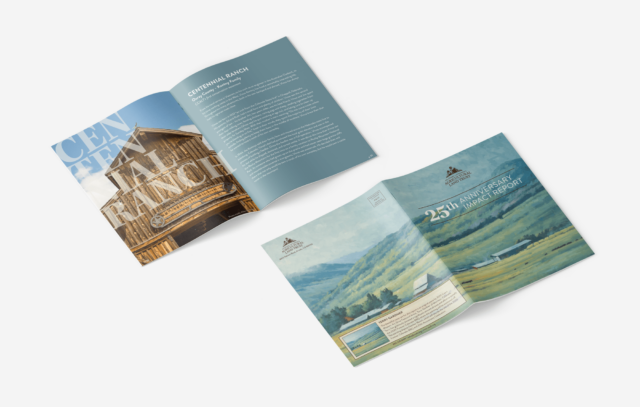
CCALT has a passionate, yet niche, donor base. The conservator saw value in embracing a new target audience and tapped CSG to develop a sub-brand in support of a fundraising initiative designed to expand CCALT’s reach. That new audience? Urban outdoor enthusiasts. People who love Colorado and the land that makes it such a unique place in which to live, work and play, even if they don’t actually work that land. The end result was Forever Colorado, a visually rich sub-brand, complete with key messaging that celebrates and explores the passion that links Colorado’s working ranch families and the weekend warriors who relish open spaces, outdoor adventure and farm-to-table experiences.
With Forever Colorado in place, CCALT was able to develop a stylized and sophisticated impact report, pitch partners in the consumer space and create a landing page designed specifically to garner support from the outdoor enthusiast audience.
Rippleshot
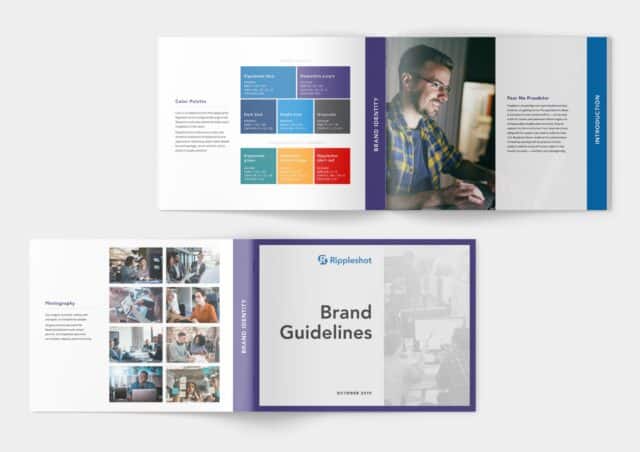
The fraud detection specialists at Rippleshot have a category-defining product with the potential to make massive strides against card fraud, but they lacked a consistent identity that captured their story. Far from being standoffish technologists, the team at Rippleshot is deeply engaged and personally invested in their work. But the classic industry visuals and language they were using did nothing to alert potential customers to the fact that customer service is a priority for the brand.
CSG worked with the Rippleshot team to develop brand messaging and a look and feel that capture the duality of their sophisticated technology and their commitment to people. That effort immediately supported a website redesign for the brand, as well as critical updates to its marketing and sales materials.
Brand Guides in the Age of AI
As organizations increasingly use AI-assisted tools to create content, brand guides have taken on an additional role: helping ensure consistency regardless of who, or what, is creating the first draft.
Clear guidance around voice, messaging, terminology and positioning can help teams maintain brand integrity while improving efficiency. In many organizations, brand guides now serve as foundational documents for both human creators and AI-powered workflows.
The stronger the guide, the easier it becomes to scale content creation without sacrificing consistency.
Ultimately, telling a compelling brand story depends upon having a clear brand identity. How can you know who and what you are to your customers otherwise?
Ask how our creative team of writers and designers can help you tell a meaningful brand story.